How does it usually start?
In this section: 10 articles
- Choosing engine oil in 7 steps
- In place of a foreword
- How does it usually start?
- Step one: finding out the manufacturer's recommendations
- Step two: so what was in there before?
- Step three: analysing the current situation
- Step four: analysing the market
- Step five: choosing the grade and viscosity of the oil
- Step six: making the choice of oil
- Step seven: buying the oil
So, an oil change is coming up on schedule. Which oil to buy, which filters, whether you need to flush the engine, and, come to think of it, how often, in thousands of kilometres, do you actually need to change the oil? Sound familiar? Every car owner whose car has stopped being serviced at the dealership under warranty has, at some point, grappled with the question of choosing an engine oil.
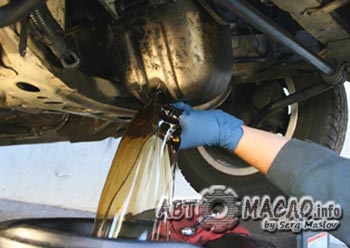 What is the first thing that comes to a sensible person's mind? Right — ask your friends and acquaintances what oil they put in. And it turns out everyone uses something different! And everyone swears by their own choice.
Let's go further — the Internet. Try a small experiment: start a new thread on some popular car forum with a simple question — what oil should I put in the engine? Without stating the make of your car, its age, or anything else besides the question itself. In 90% of cases you'll get a huge pile of "helpful" advice about specific oil brands and manufacturers, and only 10% of your fellow forum members will ask what car you actually have. And after that they'll pile on yet another heap of completely different opinions.
As a result you end up at a dead end, because if two days ago you had no information at all, now you have far too much of it to make any decision, and you're ready to just trust the first reasonably sane acquaintance you find and pour in whatever oil he uses.
But you got lucky, because you ended up here, since we'll try to give you the answers to all your questions.
So, how do you actually go about choosing the right engine oil for your car?