Oil change interval (Longlife)
Extended oil change interval (Longlife)
In this section: 10 articles
- How often to change the oil?
- Manufacturer recommendations
- How do manufacturers calculate the interval?
- Oil change interval (Longlife)
- What factors shorten the service interval?
- How to determine the oil change interval?
- On oil change frequency
- In brief: about “snowdrops”...
- In Brief: The “Weekend” Car...
- In brief: about traffic jams...
Some modern engine oils are marketed as automotive oils with an extended service interval (Longlife). Many car owners really want to believe the advertising, and so they buy exactly that kind of oil, thinking they're saving money and protecting the engine at the same time.
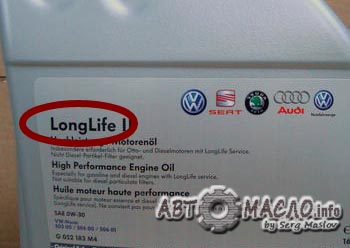 Now in reality, you can only change the oil on an extended service interval when all three "ifs" are met at once:
1. if the car manufacturer provided a Longlife oil change interval for this exact model and this exact engine;
2. if the car manufacturer approved (certified) this exact engine oil for use in this exact engine under the Longlife system;
3. if the car is used exactly in the modes and conditions that the car manufacturer has defined as acceptable for Longlife mode.
If the first two "ifs" seem clear enough, the third one is a bit trickier — car manufacturers very rarely describe what usage mode they consider optimal for a given model. Nevertheless, the intervals for changing oil and other consumables are calculated with these parameters in mind.
Here you clearly need to switch on your logic and think about the target audience your car was designed for, as well as the region where it was originally sold in bulk. And, of course, weigh up the external factors affecting how genuinely necessary it is to change the oil earlier than scheduled.
If, for instance, the streets in your city aren't washed with water every morning (the way they are in Western Europe), then Longlife clearly isn't for you.