Getting ready for the winter season
In this section: 21 articles
- On analogues and substitutes
- “Original” Service Fluids
- Which service fluids should you buy?
- Gear oil and other fluids
- Winter Engine Oil
- The big winter service
- Winter Driving and Maintenance: Getting Your Car Ready for Winter
- What engine oil should you use in winter?
- Winter Car Oil
- Oils for winter
- Choosing car oil for winter
- Winter Car Oil
- Engine oil for winter
- Winter engine oil
- On winter oils
- Car oil for winter
- How to warm up an automatic transmission?
- To warm up or not to warm up?
- What to run in winter?
- Winter Car Oils
- Getting ready for the winter season
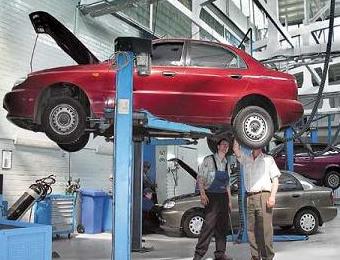 There are three main factors worth singling out that can spare you most of the trouble that comes with having to drive in any weather.
First is the car's technical condition. On an icy road, only a studded tyre can give you decent grip on the surface. Yet that same tyre, on ordinary dry asphalt, gives you quite unexpected slip. So don't be lazy — swap the tyres to match road conditions. A worn-out suspension can't keep the wheels in constant contact with the asphalt, so this important system has to be in excellent shape. Ideally, the braking system should have a genuine upgrade — anti-lock. That means that in an emergency stop the car stays fully obedient to the wheel, keeping the distance it needs from other traffic. Oddly enough, the condition of the heater, along with the sidelights and the low- or high-beam headlights, also has a noticeable effect on how safely you get around on public roads. After all, the farther you can see other road users, and the more brightly your own car stands out, the easier it is to avoid a crash.
The second point of preparation concerns your own attitude toward tough weather conditions. No matter how experienced a driver is, their relationship with the road changes as grip on the asphalt changes. And if you don't work out in time that your braking distance has at least doubled, the consequences are, most likely, something your insurance broker will have to deal with. Don't rely on your own skill by showing off to everyone around you how fast you can get around when there's no real need for it. A less experienced driver on the road might take that as a challenge and simply try to "catch up" with the reckless professional. That's less unpleasant, of course, than making the mistake yourself, but it's also a long, costly waste of time.
The third factor in getting ready is, essentially, protection from any outside influence. In other words, mandatory insurance against the actions of others and your own mistakes. All the more so since today an online CASCO calculator lets you work out the necessary costs without leaving the house. In some cases, only your insurer's support can soften the blow of road-service negligence or a fellow driver's excessive haste. Overall, it's worth noting that the main feature of winter driving is a distinct lack of hurry.