Protection against counterfeit oils
In this section: 6 articles
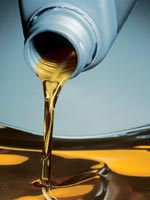 In today's thoroughly commercialised world, one of the top priorities is protecting the buyer from counterfeit or substandard goods. Clothing, footwear, home appliances, electronic communication devices or audio equipment — these categories of goods get counterfeited more often than most, but buying a fake usually doesn't cause any direct harm to the buyer's health — the item simply becomes unusable, or loses its useful qualities, sooner than it should. But when it comes to engine oils or spare parts for a car, the matter is far more serious. Carmakers insist that Hyundai parts, or parts of any other make, must be genuine, or there's no talk of any warranty for safe driving. The picture with engine oils is much the same.
Telling a fake from the genuine article isn't always easy. Sure, crudely made packaging and labels stand out right away, but if a fake is made on modern equipment with maximum fidelity to the original, closer inspection is needed. On the other hand, the manufacturer itself has every interest in protecting its product from unscrupulous dealers. For instance, you can reliably buy genuine Kia parts at a service centre for that brand, and genuine engine oil at a specialised shop. But what about markets, wholesale depots and other points of sale?
A few years ago, oil manufacturers protected their products by sealing the neck of the canister. That approach soon had to be dropped, since canisters in storage are usually stacked one on top of another, and any sticker there quickly gets damaged. The caps gradually changed shape, and now a holographic sticker, meant precisely for protection and identifying a genuine product, is placed on the inside, protecting it from damage.
Despite these tricks, the volume of counterfeit product isn't shrinking. Today, up to 30% of all engine oil sold in Russia is fake. It's even worse with other auto chemicals: up to 40% of the coolant sold is counterfeit, and up to 50% of brake fluid! Given that state of affairs, the only advice for consumers is to buy fluids and lubricants only from trusted sources, and if you do end up dealing with an unfamiliar seller, to check the seal's integrity, all the conformity marks on the label, and the quality certificate for that specific product.