Selling a car at the car market by power of attorney
In this section: 36 articles
- Mitsubishi Lancer X - changes and specifications
- Diagnosing a car “by eye” - picking an accident-free car
- Renting a car abroad? Easy as pie!
- Phoenix Motors - a Suzuki dealer in Petersburg
- Ford Focus
- The Ford Explorer - a great car for active, sporty owners
- Attention to detail matters most when choosing a car
- Car Valuation Is a Job for Professionals
- Test drive: the Toyota RAV4
- Automotive news from the Subaru group
- The car and the road: believe in your own abilities!
- What's New in OSAGO for 2010
- Car rental in Turkey
- Where do wrecked cars end up?
- Audi Centre Petersburg: official Audi dealer
- Moscow car pawnshops during the crisis
- How to safely buy a car over the Internet
- Sale of confiscated cars by Ukrainian banks
- Advantages of the express car buy-back service
- Choosing your first car
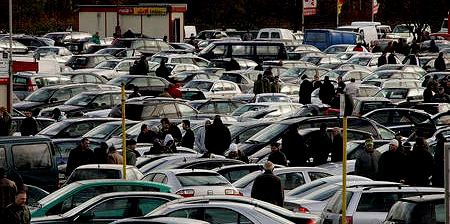 I imagine everyone has heard of the so-called "sale of a car by power of attorney." This method is very often used when private individuals sell or buy a car through a car market. In practice, this kind of "sale and purchase" comes down to the seller writing out a handwritten power of attorney to drive the vehicle in the buyer's name, while the buyer, in turn, hands the seller the agreed sum. Obviously this is done purely to save money and time that would otherwise go into drawing up a contract and the registration/deregistration process. It would seem like a great deal — no need to go to the traffic police, get registered, or stand in line for plates and a title.
However, selling a car by power of attorney has one substantial drawback. Namely, buying a car this way, you legally become its owner only in the sense of use, not its owner in the full sense of the word. That said, many people don't understand the difference between "owner" and "holder." Let's explain briefly. The owner is the person the car belongs to. The owner has the right to sell the car, give it away, and generally dispose of it however they like. It's the owner whose name is on file with the traffic police against the car's registration plates, and it's the owner's name that's entered in the title.
The holder, on the other hand, is simply someone who may possess the vehicle. In simpler terms — drive it for a while, until the lawful owner decides to take that right away. That is, by handing the seller money in exchange for a power of attorney, you formally receive not the car itself, but only the right to use it. You'll be able to drive the car, take it through inspection, and arrange third-party liability insurance, and even, if the power of attorney specifies it, sell the car — but until such a sale, the car doesn't belong to you.
Here are just a few possible ways things can play out when you buy a car by power of attorney:
-
The owner might die unexpectedly. In that case, the deceased's heirs will take a keen interest in the car. The law allows them to take the car away from you, and they're unlikely to give you your money back for it.
-
The owner of the car might run up a serious debt to creditors, who could then sue him to recover the debt. If the court grants such a claim, all of the debtor's property will be seized, including the car so carelessly bought "by power of attorney."
-
The owner's wife might decide to sue to get the car back. Her argument would be that the car is jointly acquired marital property, and her spouse disposed of that shared property without her knowledge.
-
The owner can simply revoke the power of attorney. By law, the vehicle's owner is entitled to do this at any moment. What's more, if he wants the car back and can't get in touch with you, he can file a theft report, and the car will be put on a wanted list.
It's worth noting that selling by power of attorney also spells trouble for the seller. A system of traffic-violation camera enforcement is now being rolled out across Ukraine, and all the fines will be issued to the owner, not to whoever was actually behind the wheel at the time of the violation. And let's not forget the vehicle tax — the payment notice will also arrive every year straight to the car's owner.
I think it's worth pondering: is it really worth spending an ocean of time later sorting out suddenly arising trouble, just to save one day now? By going through a standard sale-purchase contract, you can rest easy about both your newly bought car and the fact that your money wasn't spent in vain.