An oil leak
In this section: 31 articles
- Top up or change?
- Why Does Oil Consumption Happen? Is It a Lot or a Little?
- An oil leak
- Burning oil: how to spot it in the exhaust
- Why Does Oil Burn Off?
- Why Does Oil Consumption Happen? Where Does the Oil Go?
- Higher oil consumption
- Where does the oil disappear to?
- On the causes of engine oil consumption
- On the causes of oil consumption
- High engine oil consumption in the engine
- Cutting engine oil consumption significantly
- Higher engine oil consumption (more viscous oil)
- Where does the oil go?
- High oil consumption
- High engine oil consumption
- On the causes of engine oil consumption
- Higher engine oil consumption
- Causes of engine oil consumption: in brief
- Causes of oil consumption
- Where does engine oil go? (how to cut down burn-off)
- Higher engine oil consumption (changing your driving style)
- Where does engine oil go? (leaking or burning off)
- Burning oil: does it call for an overhaul?
- An engine oil leak
- How to reduce oil consumption
- On the causes of oil consumption
- On the causes of engine oil consumption in the engine
- Why Does Oil Go Down?
- How to prevent excessive oil consumption?
- Causes of engine oil consumption: a detailed list
Well, this seems fairly obvious — if oil is leaking, you need to replace the gaskets, seals and so on down the line. Oil can escape from the engine at the following spots (the most common trouble points):
1. The valve cover gasket. This sits on top of the engine, and if the seal isn't tight enough, oil seepage is clearly visible on the outer side walls of the engine. As a rule, not much oil can escape through this gasket, but the seal needs to be restored regardless.
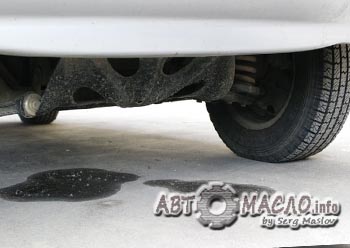 2. The gasket under the cylinder head (the CHU). Also in the upper part of the engine, under the cylinder head. This gasket (there are two on V-shaped engines, just like the cylinder heads) can fail in various spots, letting oil escape (with the same symptoms as with the valve cover gasket); on top of that, oil can get into the cooling system if the section of gasket between the working cylinders and the cooling system passages is breached. In that case the engine will look dry on the outside, but the coolant will turn cloudy and change colour, while the oil in the engine will foam (you can see the foam on the inner surface of the filler cap through which oil is poured into the engine). This problem needs fixing urgently, since it's a genuine threat to the engine's life (from coolant getting into the engine oil).
3. The crankshaft and camshaft seals. On far from every engine can this kind of leak be spotted just by popping the hood. But you should see seepage at the bottom of the engine, plus oil stains (a pool) on the inner surface of the sump guard. This problem, like any other leak, needs fixing as quickly as possible.
4. The oil pan gasket. This leak can only be seen on a lift, with the guard removed. Pay attention to it at your next oil change.
5. The rear crankshaft seal (at the transmission input). This seal is mostly only replaced by pulling the gearbox, and you can't see it directly. But again, you can diagnose the leak from seepage at the bottom of the engine on the gearbox side.
6. The gasket under the oil filter. Don't smile — this actually happens more often than you'd think. Here it's a matter of filter quality and how it's replaced. Replacing the gasket is fairly simple.