Yekaterinburg prices for cars and motorcycles
In this section: 77 articles
- DIY repair of tubeless tyres
- General recommendations for storing and using chains
- Equipment for pumping heavily contaminated fluids
- Packaging board and its properties
- Inflating tyres with inert gases: myths and reality
- SULPHIDE CAPACITY AND OPTICAL BASICITY OF STEELMAKING SLAGS IN STEEL PROCESSING
- What to look out for before fitting a car alarm
- A profiled-sheet rolling mill
- Insulated glass units: the window's key element
- A Group Surprise
- Nanotechnology in everyday life
- The market for demand and consumption of PET strapping in Russia
- Generating electricity at home
- The advantage of using a garage
- ABS, EBD, BAS and other active safety systems
- All types of manual transmission (MT)
- What to give a car owner, and not only a car owner
- Installing a water pressure reducer and why it matters.
- A few tips for an office move
- What types of car paint are there, and why do you need car-care chemicals
 The global economic crisis has reached Yekaterinburg's car dealerships too. The main response to the crisis has been a tightening of lending policy, which has driven down sales of both foreign and domestic cars by a quarter. Car dealers selling passenger cars and motorcycles are urgently cutting prices and inventing new promotions to boost sales. The catalogue of consumer goods that includes mopeds, scooters, trailers and semi-trailers, as well as passenger cars, is gradually going stale, since new models aren't being bought in as intensively as before. This is a huge headache for dealership managers. The bus and truck sales sector, along with freight containers, has held at a stable sales level, since demand for these goods was never as intense, and potential buyers constantly track different dealers' price catalogues and plan their spending months ahead.
As for car buyers, times aren't great for them either: anyone who missed out on a loan won't dare buy a car for cash for a long while yet, even if vehicle prices drop by 25%. Many people don't even notice dealerships' new sales push — the price lists are full of enticing promotions and discounts.
A number of experts predicted that in the crisis period, the winners on the car sales market would be sellers of cheap cars, whose price lists would appeal not only to the middle class but also to the less well-off city dwellers: if you have no money and no one will give you a loan, all that's left is to consider buying a domestic car or a mid-budget foreign one. But according to last September's sales results, it turned out that even a car as popular as the Ford Focus saw sales drop by 22%. And that's not a budget mode of transport. Reduced prices and special programmes also failed to attract buyers to brands like the Renault Logan, Hyundai Accent, Daewoo Matiz, and Chevrolet Lanos. And since expensive foreign cars and premium models didn't drop in price, they suffered just as much or more. Hummer, for example, lost 26% of sales, and Volvo — 35%.
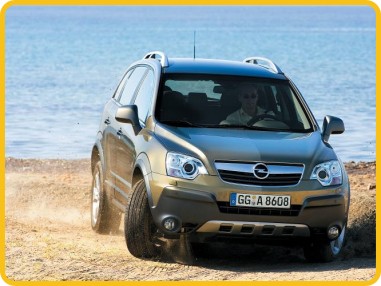
To many consumers, it may seem that car prices in Yekaterinburg haven't dropped and have stayed at their previous level. The thing is, dealerships and sales agents deliberately fold the cost of extra gifts and promotions into the car's final price. In other words, the actual market price of cars has gone down, but the cost of the special offer running at the time of purchase gets added back on top. For example, Opel's Russian arm developed a "free CASCO package" programme that reimburses the car's full value, with no allowance for depreciation, in the event of loss or theft. The price of passenger cars and two-wheeled vehicles is also affected by the cost of building special promotional channels and by advertising spend.
Everyone knows that unresolved problems turn into a snowball. So if dealership costs aren't minimised (developing new sales programmes, advertising support, renting premises without daily payback on them, and so on), then the network of many dealerships will noticeably shrink: staff will be cut, and more and more store and showroom employees will be sent on indefinite leave.
And then what? Once the crisis subsides, many car companies will recoup their crisis-era costs by raising the prices of their products. Analysts are already forecasting a rise in passenger car prices by the end of 2009: for some brands, prices could climb by 1-2 thousand dollars. So the risk grows of a repeat of the situation from 10 years earlier, the 1998 crisis.