A few words on the importance of SPA nutrition
In this section: 77 articles
- DIY repair of tubeless tyres
- General recommendations for storing and using chains
- Equipment for pumping heavily contaminated fluids
- Packaging board and its properties
- Inflating tyres with inert gases: myths and reality
- SULPHIDE CAPACITY AND OPTICAL BASICITY OF STEELMAKING SLAGS IN STEEL PROCESSING
- What to look out for before fitting a car alarm
- A profiled-sheet rolling mill
- Insulated glass units: the window's key element
- A Group Surprise
- Nanotechnology in everyday life
- The market for demand and consumption of PET strapping in Russia
- Generating electricity at home
- The advantage of using a garage
- ABS, EBD, BAS and other active safety systems
- All types of manual transmission (MT)
- What to give a car owner, and not only a car owner
- Installing a water pressure reducer and why it matters.
- A few tips for an office move
- What types of car paint are there, and why do you need car-care chemicals
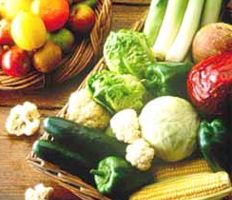 More and more people today realise that the beauty of hair, skin and the whole body is inseparably tied to the lifestyle we lead. Unfortunately, though, keeping to the basic principles of a healthy lifestyle isn’t easy for today’s city dweller. A nervous system worn down by stress, a digestive tract constantly undermined by food that’s unhealthy but convenient to cook, and the pills we routinely use to silence the first signs of trouble in the body — all of this shows up directly in how we look. That’s why SPA programmes, designed to support a healthy lifestyle, are becoming ever more popular these days. One of the most important components of any such programme is SPA nutrition.
SPA nutrition shouldn’t be thought of as a kind of diet. It’s a distinct concept for choosing foods and for how they’re prepared and eaten, worked out for a specific person with their state of health, occupation, the season and time of day, the climate, and a host of other factors taken into account. It matters a great deal that dishes in SPA nutrition aren’t just healthy but also filling, nourishing, tasty, pleasing to the person they’re made for, and, on top of that, beautifully presented.
SPA nutrition is always paired with a variety of wellness treatments — massage, auto-relaxation programmes, a solarium, a pool, fitness. All of this is also chosen individually, which is exactly why the combination of treatments produces the desired effect on the body. SPA cuisine improves eyesight and the condition of nails and skin, reduces hair brittleness, and helps achieve a good tan no worse than cosmetics do; at the solarium people are often advised, for a better effect, to eat red grapes, turmeric, carrots and celery, which lower the risk of sunburn and of the skin drying out — the main cause of premature aging.
Unlike diets, SPA nutrition is very varied. Still, sometimes ordinary food isn’t enough on its own to maintain the necessary balance of micronutrients. In that case, dietary supplements are added to the SPA nutrition programme, with their components and amounts likewise chosen on a strictly individual basis.